

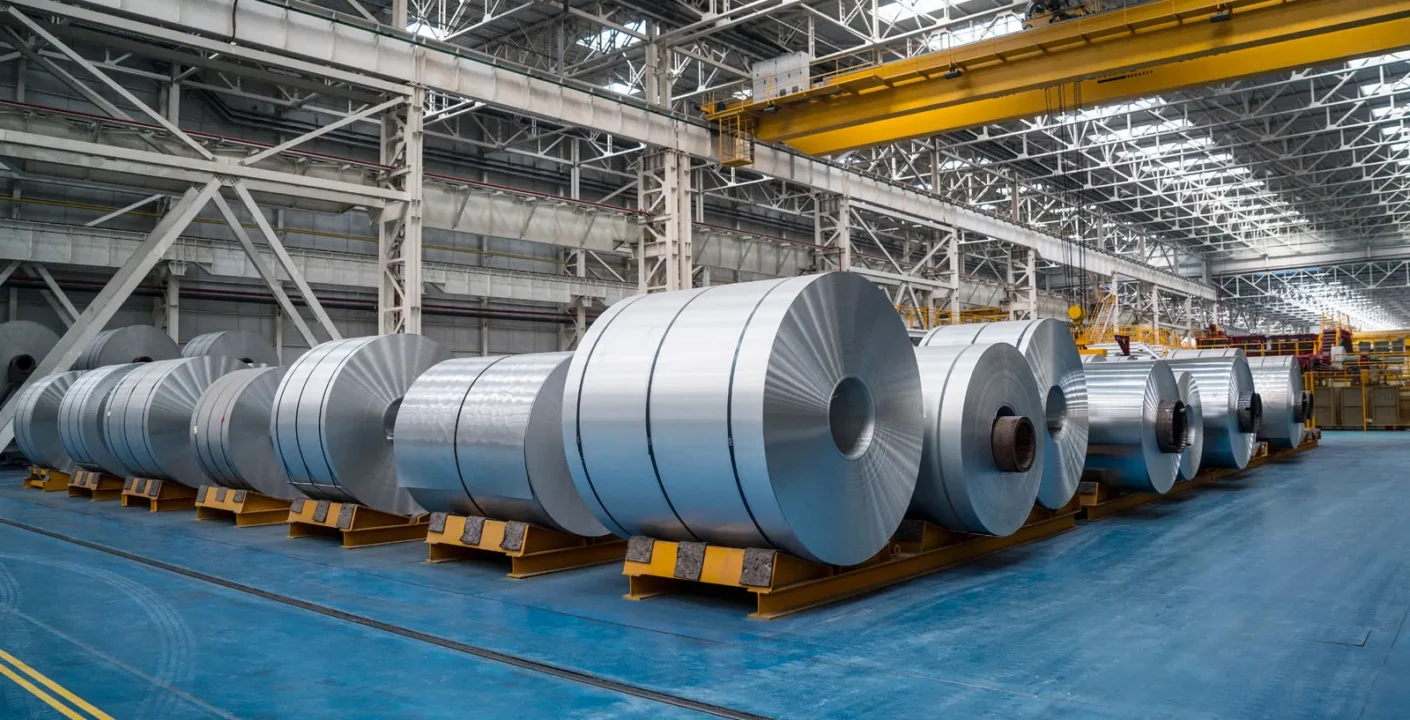
In Saudi Arabia’s fast-paced construction market, speed, precision, and quality are critical success factors—especially in mega and industrial projects.
This is where industrial aluminum manufacturing plays a transformative role, shifting construction from traditional on-site work to factory-driven precision and efficiency.
Factories are no longer suppliers; they are project acceleration engines.
What Is Industrial Aluminum Manufacturing?
Industrial aluminum manufacturing refers to the factory-based production of aluminum components for construction and infrastructure.
It includes:
- Aluminum extrusion and profiling
- CNC cutting and machining
- Surface treatment and finishing
- Assembly of facade and structural systems
- Quality testing and inspection
- Packaging and logistics preparation
Manufacturing moves complexity off-site into controlled environments.
Why Speed Matters in Saudi Mega Projects
Saudi projects operate under strict timelines.
Key drivers for faster delivery include:
- Vision 2030 milestone commitments
- Large-scale investor expectations
- High financial exposure
- Phased handover requirements
- Competitive market pressure
Industrial manufacturing directly reduces construction timelines.
Factory Production vs On-Site Fabrication
The difference between factory and site work is significant.
On-site fabrication often involves:
- Weather-related delays
- Variable workmanship quality
- Safety and access limitations
- Longer installation durations
Factory manufacturing offers:
- Controlled production conditions
- Consistent quality output
- Parallel production and site preparation
- Faster on-site installation
Developers increasingly favor factory-driven solutions.
Precision Engineering and Quality Control
Factories deliver higher accuracy.
Industrial manufacturing ensures:
- Exact dimensional tolerances
- Repeatable production quality
- Standardized processes
- Continuous inspection and testing
Precision reduces:
- Rework
- Installation errors
- Performance failures
Parallel Workflows Accelerate Project Schedules
Manufacturing enables parallel execution.
This allows:
- Component production while site works progress
- Early resolution of design coordination
- Reduced dependency on site readiness
- Faster transition to installation
Parallel workflows shorten overall project duration.
Industrial Aluminum Manufacturing for Facade Systems
Facades benefit significantly from factory production.
Manufactured facade components provide:
- Pre-assembled unitized systems
- Faster installation at height
- Improved safety during installation
- Consistent visual appearance
Facade factories are essential for high-rise projects.
Reducing Site Labor and Safety Risks
On-site labor is a major risk and cost factor.
Factory manufacturing:
- Minimizes on-site manpower
- Reduces working-at-height exposure
- Improves site safety conditions
- Lowers labor-related delays
Safety improvements also protect project schedules.
Logistics Planning and Just-in-Time Delivery
Manufacturing supports efficient logistics.
Factories enable:
- Sequenced production planning
- Just-in-time delivery strategies
- Reduced on-site storage needs
- Optimized transportation scheduling
Effective logistics prevent site congestion and delays.
Scalability for Mega and Repetitive Projects
Mega projects often involve repetitive components.
Industrial manufacturing supports:
- Large production volumes
- Standardized component repetition
- Consistent quality across phases
- Efficient scaling of output
Scalability is critical for giga-scale developments.
Cost Control Through Manufacturing Efficiency
Factory production improves cost predictability.
Cost advantages include:
- Reduced material waste
- Lower rework rates
- Optimized labor utilization
- Stable production costs
Manufacturing supports better budget control.
Aluminum Manufacturing and Climate Performance
Aluminum components are engineered for harsh climates.
Factory processes ensure:
- High-quality surface treatments
- Corrosion-resistant finishes
- UV-stable coatings
- Long-term durability
This is essential for Saudi environmental conditions.
Integration with Design and Engineering Teams
Manufacturing works best with early integration.
Integrated workflows allow:
- Design optimization for production
- Faster issue resolution
- Improved constructability
- Reduced late-stage changes
Early collaboration accelerates delivery.
Supporting Sustainable Construction Practices
Industrial manufacturing supports sustainability.
Key benefits include:
- Reduced material waste
- Energy-efficient production processes
- Recyclable aluminum materials
- Lower on-site environmental impact
Sustainability aligns with Vision 2030 objectives.
Quality Assurance and Certification Processes
Factories operate under strict QA systems.
These include:
- Material certification
- Process documentation
- Performance testing
- Traceability and records
Quality assurance builds confidence for investors and authorities.
Industrial Manufacturing in High-Rise and Iconic Projects
High-rise projects demand precision and speed.
Manufactured aluminum systems:
- Enable unitized facade installation
- Improve safety at height
- Accelerate floor-by-floor progress
- Support iconic architectural designs
Factories are essential for skyline-defining projects.
Common Misconceptions About Factory Manufacturing
Some misconceptions persist.
Common myths include:
- Factory production limits design flexibility
- Manufacturing increases cost
- Custom projects cannot be factory-made
In reality, modern factories support high customization efficiently.
Role of Integrated Aluminum Manufacturers
Not all manufacturers deliver the same value.
Integrated manufacturers provide:
- Design-engineering support
- In-house fabrication
- Installation coordination
- Performance accountability
Integration ensures speed and quality.
Industrial Aluminum Manufacturing as a Competitive Advantage
Projects that leverage manufacturing gain:
- Faster delivery
- Higher quality
- Lower risk
- Better cost control
- Stronger long-term performance
Manufacturing becomes a strategic advantage.
Conclusion – Factories Build Faster Projects
In Saudi Arabia’s ambitious construction environment, industrial aluminum manufacturing is a key driver of speed, quality, and reliability.
Factory-based production:
- Accelerates project delivery
- Improves execution quality
- Reduces risk
- Supports sustainable development
The future of construction is manufactured.
we are here
If your project requires fast, high-quality aluminum facade or structural systems manufactured with precision and delivered on time, factory-driven solutions are essential.
Contact RDC today to leverage industrial aluminum manufacturing capabilities that accelerate delivery, enhance quality, and ensure long-term performance across Saudi Arabia.
