

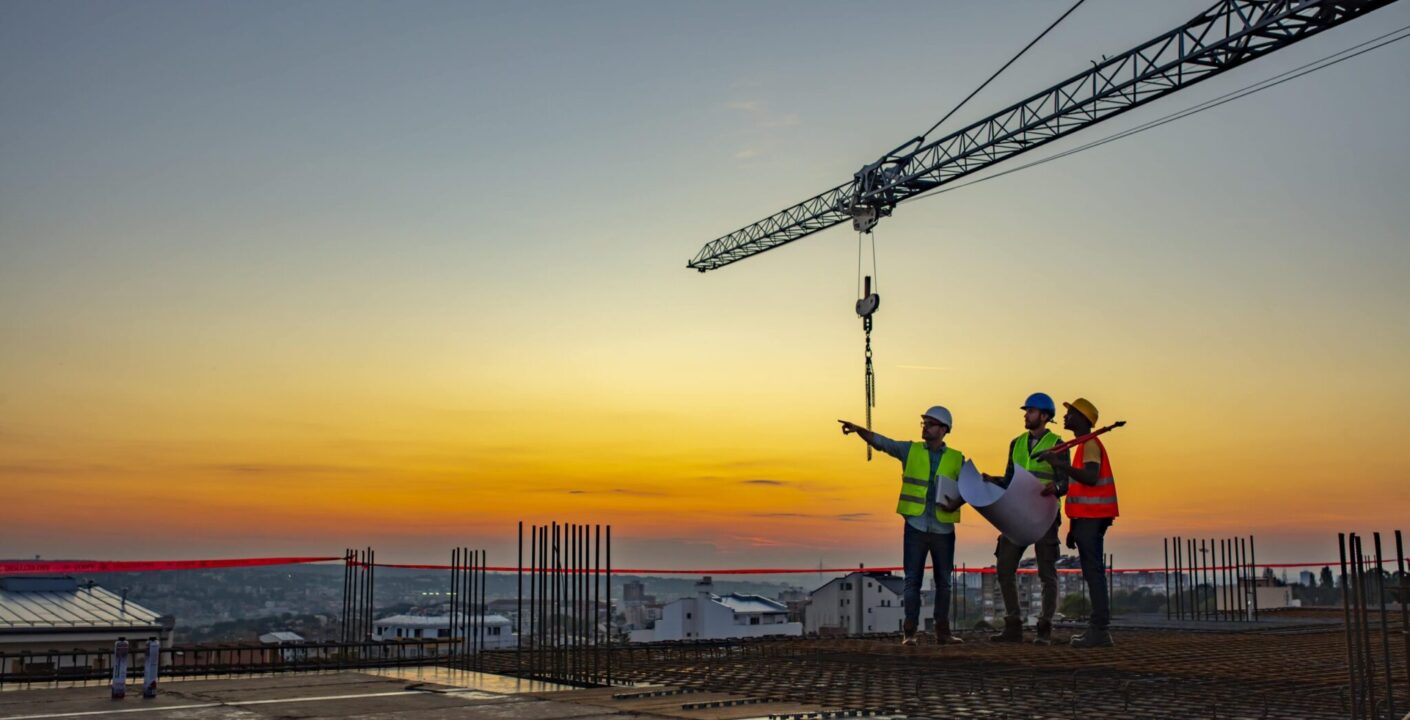
In Saudi Arabia’s rapidly expanding construction market, regulatory compliance is not a formality—it is a decisive factor that determines whether a project moves forward smoothly or faces costly delays.
The Saudi Building Code (SBC) sets the legal, technical, and safety framework for all construction activities across the Kingdom.
Understanding it early is essential for investors, developers, and project owners.
What Is the Saudi Building Code (SBC)?
The Saudi Building Code is a unified regulatory system governing construction standards in the Kingdom.
It defines:
- Structural safety requirements
- Fire protection standards
- Mechanical, electrical, and plumbing regulations
- Energy efficiency guidelines
- Accessibility and life-safety rules
The SBC applies to:
- Residential buildings
- Commercial developments
- Industrial facilities
- Government and public projects
- Infrastructure-related structures
Why the Saudi Building Code Is Critical for Investors
Non-compliance with the SBC carries serious consequences.
Key reasons investors must understand the SBC include:
- Mandatory approval for permits and licensing
- Direct impact on project timelines
- Financial penalties for violations
- Risk of redesign and rework
- Delays in handover and operation
Early compliance planning protects capital and schedules.
Core Objectives of the Saudi Building Code
The SBC is designed to protect people, assets, and investments.
Its main objectives include:
- Ensuring structural safety and stability
- Protecting life through fire and safety systems
- Enhancing building performance and durability
- Promoting sustainability and energy efficiency
- Supporting accessibility and usability standards
Structural Requirements Under the Saudi Building Code
Structural integrity is a cornerstone of the SBC.
Key structural considerations include:
- Load calculations and safety factors
- Seismic resistance requirements
- Soil testing and foundation design
- Use of approved construction materials
- Structural inspection and testing protocols
Failure to comply can lead to:
- Structural redesign
- Construction suspension
- Legal liability
Fire Safety and Civil Defense Compliance
Fire protection is strictly regulated in Saudi Arabia.
The SBC requires:
- Approved fire alarm systems
- Firefighting and suppression systems
- Emergency exits and evacuation routes
- Smoke control and detection systems
- Coordination with Saudi Civil Defense
Compliance ensures:
- Occupant safety
- Faster authority approvals
- Reduced operational risk
Mechanical, Electrical, and Plumbing (MEP) Standards
MEP systems must align with SBC technical guidelines.
Key requirements include:
- Electrical load calculations and safety protections
- HVAC system design and ventilation standards
- Plumbing layouts and water efficiency
- Integration with fire and low current systems
- Approved equipment and materials
Proper MEP compliance prevents:
- System failures
- Operational inefficiencies
- Authority rejection
Energy Efficiency and Sustainability Requirements
The Saudi Building Code supports sustainability objectives.
Energy-related provisions include:
- Thermal insulation standards
- Efficient HVAC system requirements
- Lighting efficiency regulations
- Reduction of energy losses
- Support for sustainable construction practices
These measures:
- Lower operational costs
- Improve building performance
- Align with Vision 2030 goals
Accessibility and User Safety Regulations
Buildings must be accessible and safe for all users.
SBC accessibility requirements cover:
- Entry and exit accessibility
- Vertical transportation standards
- Restroom accessibility
- Clear circulation paths
- Safety signage and lighting
Compliance ensures:
- Inclusive design
- Legal protection
- User satisfaction
Approval Process and Authority Coordination
SBC compliance is verified through multiple approvals.
The approval process typically involves:
- Design review and submission
- Technical compliance checks
- Coordination with Civil Defense
- On-site inspections
- Final approval and certification
Delays often occur when:
- Compliance is addressed late
- Documentation is incomplete
- Design coordination is weak
Common SBC Compliance Mistakes Investors Make
Many projects face delays due to avoidable errors.
Common mistakes include:
- Treating SBC compliance as a final-stage task
- Ignoring early coordination with authorities
- Underestimating fire and safety requirements
- Poor integration between design and execution
- Using non-approved materials or systems
These mistakes increase:
- Cost
- Project duration
- Legal exposure
How Integrated Contractors Simplify SBC Compliance
Integrated contractors manage compliance from day one.
They ensure:
- SBC requirements embedded in design
- Early authority coordination
- Proper system integration
- Complete technical documentation
- Smooth inspection and approval processes
This reduces:
- Rework
- Approval delays
- Regulatory risk
SBC Compliance for Industrial and Mega Projects
Large-scale projects face higher scrutiny.
Industrial and mega projects must address:
- Advanced fire protection systems
- High-capacity MEP networks
- Specialized structural requirements
- Strict safety and evacuation planning
Integrated compliance planning is essential for success.
Impact of SBC Compliance on Project Timelines
Compliance directly affects schedules.
Proper planning results in:
- Faster permit approvals
- Fewer inspection issues
- Reduced construction stoppages
- Predictable handover dates
Non-compliance leads to:
- Costly delays
- Redesign requirements
- Operational postponements
Saudi Building Code and Long-Term Asset Value
Buildings that comply with the SBC perform better long-term.
Benefits include:
- Lower maintenance costs
- Higher operational efficiency
- Improved safety records
- Stronger resale and investment value
SBC compliance is an investment, not a cost.
Conclusion – SBC Knowledge Is a Strategic Advantage
Understanding the Saudi Building Code is essential for anyone investing in construction projects in the Kingdom.
Early and proper compliance delivers:
- Faster approvals
- Reduced risk
- Cost efficiency
- Safe and high-performing buildings
- Long-term asset protection
Knowledge of the SBC gives investors a strategic edge.
wa are here
If you are planning a construction or industrial project in Saudi Arabia, ensuring full Saudi Building Code compliance from the start is critical.
Contact RDC today to benefit from expert guidance, integrated execution, and smooth regulatory approvals—so your project moves forward with confidence and zero surprises.
