

In Saudi Arabia’s fast-growing construction sector, project success is no longer defined by execution alone.
The real challenge lies in controlling cost, minimizing risk, and ensuring seamless delivery from the first excavation to final handover.
This is where integrated contracting has emerged as the most effective approach for developers, investors, and government entities across the Kingdom.
What Is Integrated Contracting?
Integrated contracting is a delivery model where a single contractor manages all project phases under one coordinated system.
It typically covers:
- Site preparation and excavation
- Civil and structural construction
- Mechanical, electrical, and plumbing (MEP)
- Low current systems
- Finishing works
- Testing, commissioning, and handover
This model eliminates fragmentation and ensures full alignment across all disciplines.
Why Traditional Contracting Increases Cost & Risk
Fragmented project delivery often leads to inefficiencies and financial exposure.
Common challenges include:
- Poor coordination between multiple contractors
- Design and execution mismatches
- Delayed decision-making
- Scope gaps and responsibility disputes
- Increased change orders and rework
These issues are especially costly in large-scale Saudi projects.
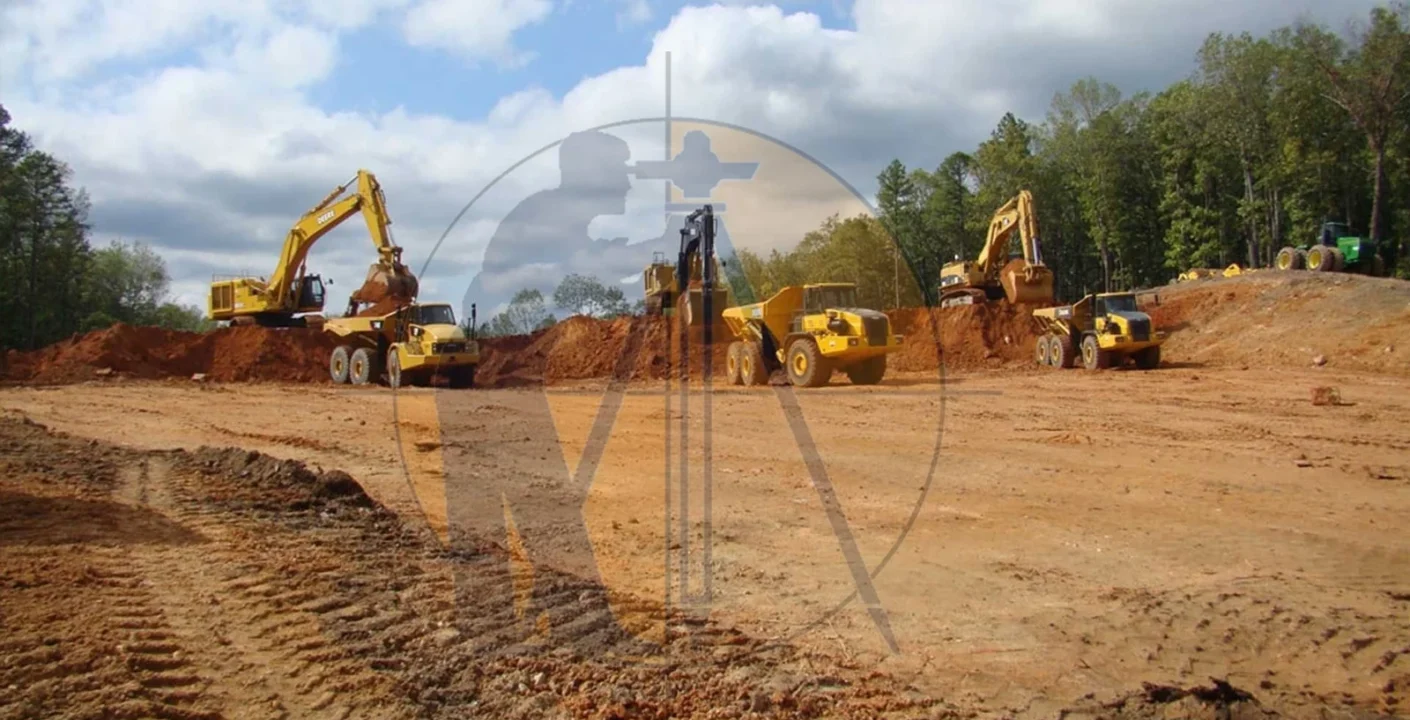
Excavation and Site Preparation as the First Risk Point
Many project risks begin at the earliest stage.
Integrated contracting ensures:
- Accurate site assessments
- Proper soil testing and analysis
- Correct excavation planning
- Effective dewatering solutions
- Early risk identification
This prevents:
- Foundation failures
- Structural delays
- Unexpected cost escalations
Unified Planning Reduces Schedule Delays
Integrated contractors manage all project activities under a single master schedule.
This allows:
- Parallel execution of tasks
- Early procurement planning
- Optimized sequencing of works
- Faster issue resolution
As a result:
- Idle time is reduced
- Milestones are achieved faster
- Delivery timelines become predictable
Cost Control Through Centralized Budget Management
Integrated contracting enables stronger financial oversight.
Key cost-control mechanisms include:
- Single consolidated project budget
- Early value engineering
- Bulk procurement advantages
- Reduced duplication of resources
- Fewer contractual variations
This approach:
- Minimizes budget overruns
- Improves cost transparency
- Enhances financial predictability
Eliminating Design & Execution Conflicts
One of the most common causes of rework is misalignment between design and construction.
Integrated contracting prevents this by:
- Coordinating designers and engineers under one system
- Aligning execution methods with approved designs
- Reviewing constructability early
- Resolving clashes before construction starts
This leads to:
- Higher execution accuracy
- Fewer on-site conflicts
- Better overall quality
Integrated MEP and Low Current Systems Reduce Technical Risk
MEP and low current systems are among the most complex project components.
Integrated delivery ensures:
- Early coordination between all systems
- Proper routing and space allocation
- Reduced system clashes
- Seamless system integration
This is critical for:
- Industrial facilities
- Commercial complexes
- Data centers
- High-occupancy buildings
Procurement Efficiency and Supply Chain Control
Procurement delays are a major source of project risk.
Integrated contractors manage procurement by:
- Centralizing supplier selection
- Aligning procurement with construction schedules
- Securing long-lead items early
- Coordinating logistics and delivery
This results in:
- Fewer delays
- Stable material availability
- Controlled pricing
Risk Allocation Under a Single Responsibility Model
Integrated contracting assigns clear accountability.
This model:
- Transfers execution risk to one entity
- Eliminates responsibility gaps
- Simplifies claims and dispute resolution
- Enhances contractual clarity
For project owners:
- Risk exposure is reduced
- Legal complexity is minimized
- Project governance is simplified
Quality Assurance Across All Project Stages
Quality control is embedded throughout the integrated process.
This includes:
- Unified quality standards
- Central inspection procedures
- Continuous testing and verification
- Coordinated commissioning
As a result:
- Defects are minimized
- Handover issues are reduced
- Long-term asset performance improves
Regulatory Compliance Without Delays
Saudi projects must comply with strict regulations and authority approvals.
Integrated contractors ensure:
- Early compliance planning
- Alignment with Saudi Building Code
- Civil Defense coordination
- Complete documentation readiness
This avoids:
- Approval delays
- Costly redesigns
- Regulatory penalties
Reduced Management Burden for Developers
Integrated contracting simplifies project oversight.
Developers benefit from:
- One reporting structure
- Single communication channel
- Centralized decision-making
- Professional project governance
This allows:
- Better strategic focus
- Faster approvals
- Improved stakeholder coordination
Integrated Contracting for Mega & Industrial Projects
Large-scale developments demand high coordination.
Integrated contracting is ideal for:
- Industrial plants and factories
- Warehouses and logistics hubs
- Infrastructure projects
- Mixed-use developments
These projects require:
- Technical precision
- Cost certainty
- Schedule reliability
Long-Term Value and Lifecycle Efficiency
Integrated delivery improves asset performance beyond construction.
Key benefits include:
- Lower maintenance costs
- Better system compatibility
- Enhanced operational efficiency
- Improved lifecycle ROI
This makes integrated contracting a long-term investment strategy.
Conclusion – Integration Is the Key to Project Success
From excavation to handover, integrated contracting reduces cost, minimizes risk, and improves project outcomes in Saudi Arabia.
By offering:
- Unified responsibility
- Strong cost control
- Seamless coordination
- Faster delivery
- Higher quality
Integrated contracting has become the preferred model for successful large-scale projects.
we are here
If you are planning a construction, industrial, or infrastructure project in Saudi Arabia, choosing an integrated contractor can protect your budget and secure your timeline.
Contact RDC today to discover how integrated contracting solutions can deliver your project efficiently, safely, and with full confidence from start to finish.
