

Arabia
In Saudi Arabia’s construction landscape, many projects fail or face costly delays long before the structure rises above ground.
The hidden reason is often overlooked: poor site preparation and infrastructure planning.
Successful projects in the Kingdom start from the ground up—literally.
Infrastructure works and site preparation are not preliminary tasks; they are strategic foundations that determine cost, safety, schedule, and long-term performance.
What Is Site Preparation in Construction Projects?
Site preparation includes all works required to make land ready for construction.
It typically involves:
- Site surveys and assessments
- Soil investigation and testing
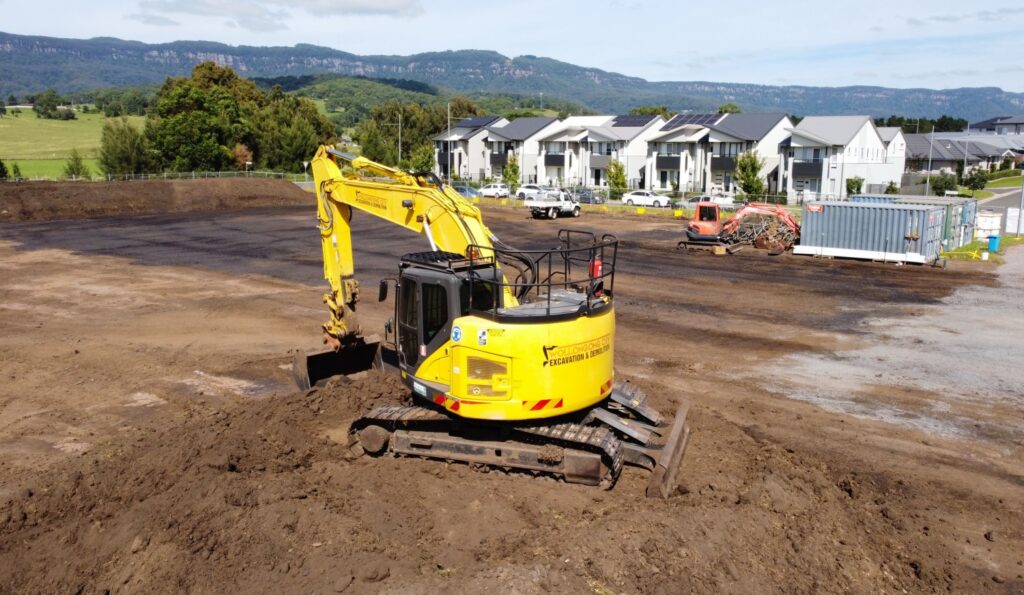
- Excavation and earthworks
- Backfilling and compaction
- Site leveling and grading
- Dewatering and groundwater control
- Temporary access and utilities
These activities set the baseline for the entire project lifecycle.
Why Infrastructure Comes Before Construction
Infrastructure works directly affect structural integrity and execution efficiency.
Starting with proper infrastructure ensures:
- Stable and safe foundations
- Accurate structural alignment
- Efficient construction sequencing
- Reduced risk of rework
- Predictable project timelines
Skipping or rushing this phase increases long-term risk.
Soil Investigation as the First Critical Step
Understanding soil conditions is essential in Saudi Arabia.
Proper soil studies provide:
- Load-bearing capacity data
- Soil composition analysis
- Settlement risk identification
- Foundation design parameters
- Groundwater level assessment
Ignoring soil conditions can lead to:
- Foundation failure
- Structural cracks
- Costly redesigns
- Construction delays
Excavation and Earthworks Set the Structural Base
Excavation is more than removing soil.
Professional excavation ensures:
- Accurate depth and alignment
- Safe slope and shoring systems
- Protection of adjacent structures
- Proper sequencing with foundation works
Poor excavation practices result in:
- Safety hazards
- Structural misalignment
- Schedule disruptions
Backfilling and Compaction Affect Long-Term Stability
Backfilling quality directly impacts building performance.
Proper backfilling includes:
- Use of approved fill materials
- Controlled layer thickness
- Mechanical compaction testing
- Moisture control
Inadequate compaction causes:
- Differential settlement
- Pavement failure
- Structural movement
- Costly repairs
Site Leveling and Grading for Construction Accuracy
Accurate leveling ensures construction precision.
Site grading supports:
- Proper drainage flow
- Accurate foundation placement
- Efficient movement of equipment
- Safe working conditions
Poor grading leads to:
- Water accumulation
- Access issues
- Construction delays
Dewatering and Groundwater Control
Groundwater is a major challenge in many Saudi sites.
Effective dewatering systems provide:
- Dry and stable excavation areas
- Safe foundation construction
- Reduced soil instability
- Protection of nearby structures
Failure to manage groundwater causes:
- Excavation collapse
- Structural weakening
- Schedule overruns
Temporary Infrastructure for Efficient Execution
Temporary infrastructure supports smooth project execution.
This includes:
- Access roads
- Temporary utilities
- Site fencing and safety systems
- Storage and logistics zones
Proper temporary works:
- Improve productivity
- Enhance site safety
- Reduce operational disruptions
Underground Utilities Planning and Coordination
Underground services must be planned early.
Integrated planning ensures:
- Proper routing of utilities
- Avoidance of system clashes
- Compliance with authority requirements
- Easier future maintenance
Poor coordination results in:
- Rework
- Service conflicts
- Delays in approvals
Infrastructure Works and Saudi Building Code Compliance
Infrastructure activities must align with regulations.
Compliance requirements include:
- Approved excavation methods
- Safety standards for earthworks
- Drainage and utility regulations
- Environmental protection measures
Early compliance avoids:
- Authority rejection
- Redesign costs
- Construction stoppages
Impact of Site Preparation on Project Cost
Infrastructure decisions influence overall project cost.
Proper site preparation:
- Reduces structural reinforcement needs
- Minimizes unexpected variations
- Controls foundation costs
- Prevents long-term maintenance expenses
Poor preparation leads to escalating budgets.
Schedule Reliability Starts Below Ground
Most project delays originate during early stages.
Strong site preparation:
- Enables smooth transition to structural works
- Prevents foundation-related stoppages
- Supports parallel execution of activities
- Improves milestone predictability
This protects the entire project timeline.
Safety Risks Linked to Poor Infrastructure Planning
Safety is directly affected by early-stage works.
Proper planning ensures:
- Safe excavation practices
- Stable working platforms
- Controlled access zones
- Reduced accident risk
Unsafe site preparation exposes:
- Workers
- Equipment
- Project schedules
- Legal liability
Infrastructure Challenges in Mega and Industrial Projects
Large-scale developments face higher complexity.
Infrastructure challenges include:
- Deep excavations
- High groundwater levels
- Heavy equipment loads
- Utility-intensive designs
Professional planning is essential to manage these risks.
Integrated Contracting Improves Infrastructure Execution
Integrated contractors manage infrastructure holistically.
Benefits include:
- Unified planning and execution
- Better coordination with structural works
- Early risk identification
- Faster issue resolution
This approach delivers stronger foundations—literally and operationally.
Long-Term Value of Proper Site Preparation
Infrastructure quality affects building performance for decades.
Long-term benefits include:
- Structural durability
- Reduced maintenance costs
- Improved safety
- Higher asset value
- Better operational efficiency
Conclusion – Strong Infrastructure Builds Successful Projects
In Saudi Arabia’s demanding construction environment, site preparation is not a preliminary task—it is a strategic investment.
Projects that prioritize infrastructure from day one achieve:
- Lower risk
- Better cost control
- Faster execution
- Higher quality
- Long-term performance
The success of any project begins below ground.
we are here
If you are planning a construction or infrastructure project in Saudi Arabia, starting with professional site preparation is critical to success.
Contact RDC today to ensure your project is built on a solid foundation—engineered for safety, efficiency, and long-term value from the ground up.
