

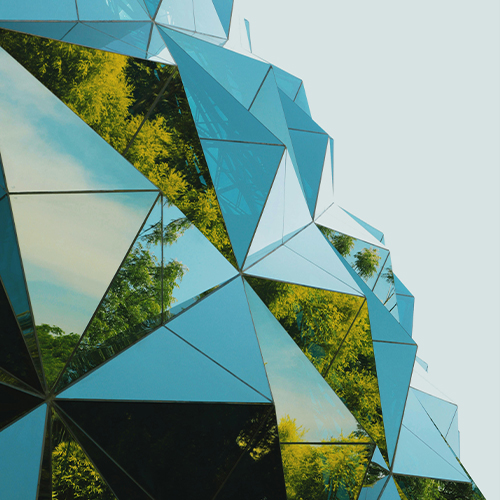
In Saudi Arabia’s modern architecture, glass facades are no longer just transparent surfaces.
They are high-performance building systems that control energy consumption, enhance occupant comfort, and define architectural identity.
With rising cooling demands and sustainability targets, high-performance glass facades have become a critical solution for energy-efficient and visually striking buildings.
What Are High-Performance Glass Facades?
High-performance glass facades use advanced glazing technologies to optimize thermal and visual performance.
They typically include:
- Double or triple glazing units
- Low-emissivity (Low-E) coatings
- Solar control glass
- Laminated and insulated glass units
- Integrated shading and facade systems
These facades balance transparency with performance.
Why Glass Facades Are Widely Used in Saudi Projects
Glass facades dominate modern Saudi developments due to:
- Demand for iconic architectural identity
- Need for natural daylight optimization
- Integration with aluminum curtain wall systems
- Compatibility with high-rise and mega projects
- Support for modern urban aesthetics
Performance-driven glass makes transparency practical in extreme climates.
Energy Efficiency Challenges in Saudi Arabia’s Climate
Saudi Arabia’s climate intensifies energy challenges.
Key challenges include:
- Extreme solar radiation
- High ambient temperatures
- Increased cooling demand
- High HVAC energy consumption
Glass facades must reduce heat gain without sacrificing daylight.
Solar Control Glass and Heat Gain Reduction
Solar control glass is essential for energy efficiency.
Key benefits include:
- Reduction of solar heat gain
- Control of glare and excessive brightness
- Lower cooling system load
- Improved indoor thermal comfort
Solar control directly impacts operational energy savings.
Low-Emissivity (Low-E) Glass Performance
Low-E glass improves insulation performance.
Its advantages include:
- Reduced heat transfer through glazing
- Improved indoor temperature stability
- Lower energy consumption
- Enhanced occupant comfort
Low-E coatings are critical in Saudi glass facades.
Double and Triple Glazing Systems
Multi-layer glazing improves performance.
Benefits include:
- Enhanced thermal insulation
- Reduced noise transmission
- Improved energy efficiency
- Better indoor comfort
System selection depends on project scale and performance targets.
Daylighting Optimization and Visual Comfort
High-performance glass enhances interior environments.
Optimized facades provide:
- Increased natural daylight
- Reduced reliance on artificial lighting
- Balanced brightness levels
- Improved occupant productivity and comfort
Daylighting is both an energy and wellness strategy.
Glass Facades and Cooling Load Reduction
Facade performance directly affects HVAC demand.
High-performance glazing:
- Limits unwanted heat entry
- Stabilizes indoor temperatures
- Reduces peak cooling loads
- Improves HVAC system efficiency
Lower cooling demand reduces operational costs.
Integration with Aluminum Facade Systems
Glass facades perform best within engineered systems.
Integration benefits include:
- Improved structural support
- Enhanced weather resistance
- Seamless aesthetic execution
- Controlled installation quality
Aluminum curtain walls complement high-performance glass.
Acoustic Performance and Urban Comfort
Noise control is important in urban developments.
High-performance glass provides:
- Improved sound insulation
- Reduced external noise intrusion
- Enhanced indoor comfort
- Better residential and office environments
Acoustic performance adds functional value.
Structural Safety and Glass Performance
Glass facades must meet strict safety requirements.
Engineering considerations include:
- Wind load resistance
- Impact and breakage safety
- Laminated glass for fall protection
- Compliance with building codes
Safety performance is as important as aesthetics.
Durability and Long-Term Performance
Saudi environmental conditions demand durability.
High-quality glass systems offer:
- UV resistance
- Long-term clarity and finish stability
- Resistance to dust and weathering
- Reduced maintenance needs
Durable facades protect long-term asset value.
Sustainability and Vision 2030 Alignment
High-performance glass supports sustainability goals.
Key contributions include:
- Reduced energy consumption
- Lower carbon emissions
- Improved building energy ratings
- Support for sustainable urban development
Energy-efficient facades align with Vision 2030.
High-Performance Glass in High-Rise and Mega Projects
Tall buildings amplify facade impact.
High-performance glass enables:
- Safe high-rise applications
- Efficient thermal control at height
- Iconic architectural expression
- Consistent performance across elevations
Glass facades define skyline projects.
Common Mistakes in Glass Facade Selection
Frequent errors include:
- Selecting glass based on appearance only
- Ignoring solar orientation
- Underestimating cooling impact
- Poor integration with facade systems
These mistakes increase energy cost and discomfort.
Role of Facade Engineering and Testing
Performance must be verified, not assumed.
Professional processes include:
- Thermal performance simulation
- Solar heat gain analysis
- Mock-up testing
- Quality assurance during fabrication
Engineering validation ensures real-world performance.
High-Performance Glass as a Strategic Investment
Glass facades are long-term assets.
They deliver value through:
- Energy cost savings
- Improved occupant comfort
- Enhanced building image
- Increased property value
Performance-driven design maximizes return.
Conclusion – Transparency Without Compromise
In Saudi Arabia’s demanding climate, high-performance glass facades make transparency possible without energy sacrifice.
They provide:
- Energy efficiency
- Visual comfort
- Architectural excellence
- Long-term durability
Smart glass selection transforms facades into high-performing assets.
we are here
If your project requires high-performance glass facade solutions that balance energy efficiency, comfort, and architectural impact, expert engineering and execution are essential.
Contact RDC today to design and deliver advanced glass facade systems optimized for Saudi Arabia’s climate, regulations, and modern architectural ambitions.
