

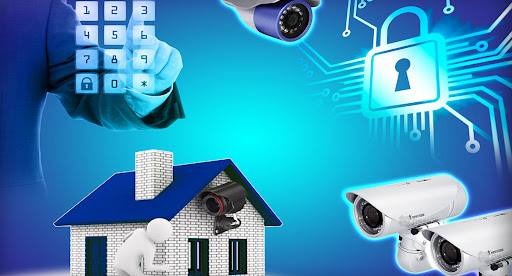
In modern Saudi facilities, protection is no longer limited to walls, guards, or insurance policies.
True protection comes from low current systems that work silently in the background—monitoring, controlling, detecting, and responding before risks turn into losses.
Low current systems are now essential for asset protection, life safety, and uninterrupted business operations.
What Are Low Current Systems and Why They Matter
Low current systems are low-voltage technologies designed to enhance safety, control, and communication.
They include:
- CCTV and surveillance systems
- Access control systems
- Fire alarm and life-safety systems
- Structured cabling and data networks
- Fiber optic infrastructure
- Public address and emergency communication systems
Together, they form a facility’s protection and intelligence layer.
Asset Protection Through Continuous Monitoring
Assets in Saudi facilities often represent high financial value.
Low current systems protect assets by:
- Providing 24/7 surveillance coverage
- Recording and documenting incidents
- Detecting unauthorized access
- Enabling real-time response
- Supporting investigations and audits
Continuous monitoring reduces theft, damage, and operational loss.
CCTV Systems as the First Line of Defense
Modern CCTV systems go beyond basic cameras.
Advanced capabilities include:
- High-definition video capture
- Intelligent video analytics
- Motion and behavior detection
- Centralized monitoring centers
- Remote access and control
CCTV systems deter threats before incidents escalate.
Access Control Systems Prevent Unauthorized Entry
Access control systems regulate who enters and moves within a facility.
They provide:
- Controlled access to sensitive areas
- Biometric and smart card authentication
- Time-based and role-based permissions
- Automatic logging of movements
This protects critical assets and sensitive zones.
Protecting People Through Life-Safety Systems
Life safety is the highest priority.
Low current life-safety systems include:
- Fire detection and alarm systems
- Emergency communication systems
- Public address and evacuation alerts
- Integration with firefighting systems
These systems ensure rapid response during emergencies.
Fire Alarm Systems and Early Threat Detection
Fire is one of the most destructive risks.
Fire alarm systems protect people by:
- Detecting smoke, heat, or flame early
- Triggering alarms and notifications
- Activating evacuation procedures
- Alerting emergency responders
Early detection saves lives and limits damage.
Business Continuity Depends on System Reliability
Operational downtime is costly.
Low current systems support continuity through:
- Early detection of incidents
- Automated system responses
- Continuous monitoring
- Fast incident resolution
Reliable systems keep operations running during disruptions.
Integrated Systems Multiply Protection Levels
Protection is strongest when systems work together.
Integration enables:
- CCTV activation during alarms
- Automatic door unlocking during emergencies
- Coordinated evacuation alerts
- Centralized incident management
Integrated systems reduce response time and human error.
Protecting Data and Digital Assets
Data is a critical business asset.
Low current systems protect data by:
- Securing data center access
- Monitoring critical infrastructure
- Supporting secure fiber optic networks
- Integrating with cybersecurity controls
Physical security supports digital security.
Reducing Operational Risk and Liability
Incidents create legal and financial exposure.
Low current systems help by:
- Providing compliance documentation
- Recording safety events
- Supporting regulatory audits
- Reducing insurance risk profiles
Risk reduction protects long-term business value.
Compliance with Saudi Regulations and Authorities
Saudi facilities must meet strict safety standards.
Low current systems ensure compliance with:
- Saudi Civil Defense requirements
- Fire and safety regulations
- Building and operational standards
- Authority inspection procedures
Compliance prevents delays and penalties.
Supporting High-Risk and Mission-Critical Facilities
Some facilities cannot afford failure.
Low current systems are critical for:
- Industrial plants
- Data centers
- Healthcare facilities
- Government buildings
- Logistics hubs
In these environments, system reliability is non-negotiable.
Scalability and Future Risk Management
Facilities evolve and expand.
Well-designed systems offer:
- Modular expansion capability
- Technology upgrades without disruption
- Compatibility with smart systems
- Long-term adaptability
Scalability ensures continued protection.
Operational Efficiency Through Automation
Automation reduces dependency on manual monitoring.
Low current automation delivers:
- Faster incident response
- Reduced staffing requirements
- Consistent performance
- Lower operational costs
Automation improves both safety and efficiency.
Cost of Not Investing in Low Current Systems
Inadequate protection leads to:
- Asset loss
- Safety incidents
- Operational downtime
- Legal exposure
- Reputation damage
The cost of failure far exceeds system investment.
Role of Specialized Low Current Integrators
Effective protection requires expertise.
Specialized integrators provide:
- Risk-based system design
- Full system integration
- Authority-compliant execution
- Long-term performance optimization
Expert execution maximizes system value.
Low Current Systems and Vision 2030 Objectives
Vision 2030 prioritizes:
- Safe cities
- Smart infrastructure
- Digital transformation
- Business resilience
Low current systems are core enablers of these goals.
Conclusion – Protection Is a System, Not a Single Device
In Saudi Arabia’s modern facilities, protection is achieved through integrated low current systems, not isolated technologies.
These systems protect:
- Assets
- People
- Operations
- Data
- Long-term business continuity
Low current systems are strategic infrastructure investments.
we are here
If your facility requires reliable, compliant, and future-ready low current systems that protect assets, people, and operations, expert planning and integration are essential.
Contact RDC today to design and implement intelligent low current solutions that secure your facility, ensure continuity, and support long-term success across Saudi Arabia.
