

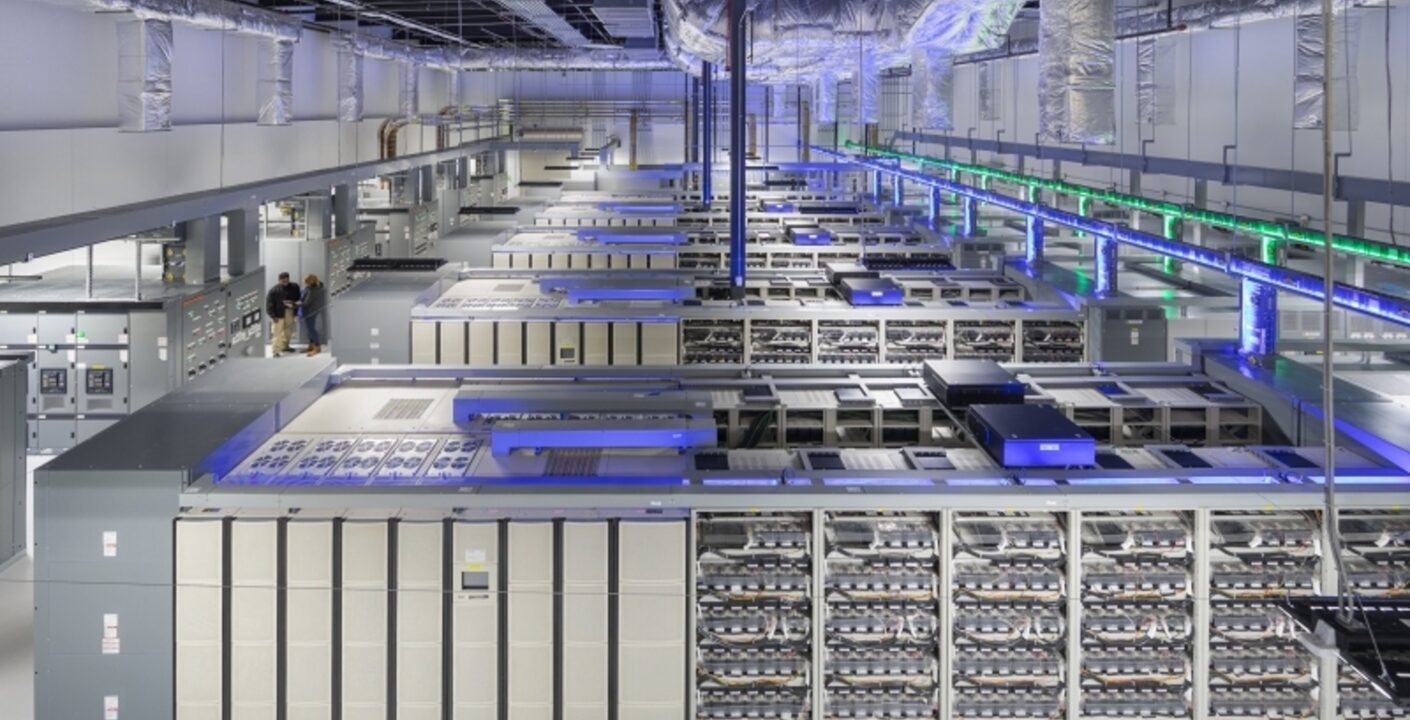
In Saudi Arabia’s industrial zones and rapidly expanding data center sector, thermal system design is no longer a secondary engineering task.
It is a mission-critical decision that directly impacts energy consumption, uptime, safety, and long-term operational costs.
Poor thermal design can shut down entire operations.
Professional thermal design, on the other hand, becomes a competitive advantage.
What Is Thermal System Design?
Thermal system design is the engineering process of managing heat generation, transfer, and dissipation within facilities.
It includes:
- Cooling load analysis
- Selection of cooling technologies
- Heat rejection strategies
- System integration and redundancy planning
- Energy efficiency optimization
- Control and monitoring design
This design phase defines how reliably a facility will operate.
Why Industrial & Data Center Projects Are Thermally Sensitive
Industrial plants and data centers generate continuous heat loads.
Key reasons thermal design is critical:
- Continuous 24/7 operations
- High equipment density
- Zero tolerance for overheating
- High energy consumption sensitivity
- Strict uptime requirements
Thermal failure directly translates to financial and operational losses.
Saudi Arabia’s Climate Intensifies Thermal Challenges
Environmental conditions amplify thermal risks.
Key climate factors include:
- Extremely high ambient temperatures
- High cooling demand year-round
- Increased condenser temperatures
- Higher energy load during peak seasons
- Reduced system efficiency if poorly designed
Thermal systems must be engineered specifically for Saudi conditions.
Cooling Load Analysis as the Design Foundation
Accurate cooling load calculations are essential.
Proper analysis considers:
- Equipment heat output
- Process heat gains
- Environmental heat loads
- Occupancy and operational profiles
- Redundancy and future expansion
Incorrect load calculations result in:
- Oversized systems
- Undersized systems
- Excessive energy waste
- Reliability issues
Choosing the Right Cooling Technologies
Thermal design defines the selection of cooling technologies.
Common systems include:
- Cooling towers
- Water-cooled chillers
- Air-cooled chillers
- Heat exchangers
- Hybrid cooling systems
Selection depends on:
- Project type
- Energy efficiency targets
- Water availability
- Space constraints
- Operational priorities
Heat Rejection Strategy and System Efficiency
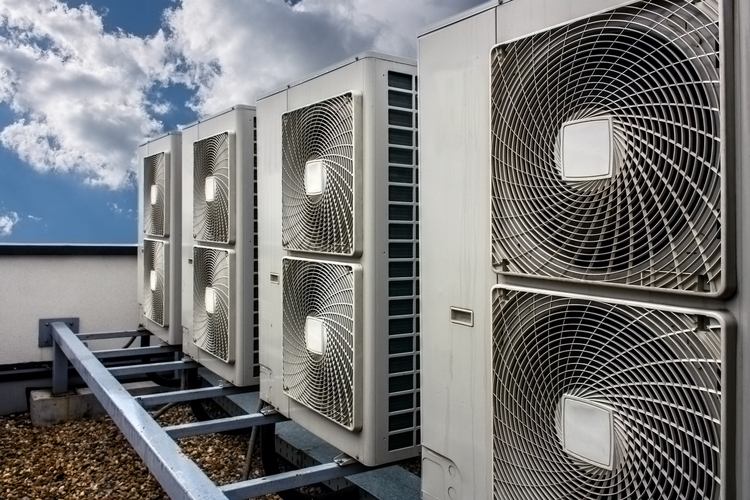
Heat rejection is the core of thermal performance.
Effective strategies ensure:
- Stable condenser temperatures
- Reduced compressor workload
- Improved chiller efficiency
- Lower energy consumption
Poor heat rejection design leads to:
- System instability
- Increased power usage
- Equipment stress
Redundancy and Reliability Planning
Mission-critical facilities require redundancy.
Thermal design must include:
- N+1 or higher redundancy
- Backup cooling paths
- Failover operation strategies
- Load sharing mechanisms
This is essential for:
- Data centers
- Industrial process plants
- Healthcare facilities
- Energy infrastructure
Integration Between Thermal Systems and Building Design
Thermal systems do not operate in isolation.
Integrated design ensures:
- Proper equipment placement
- Efficient airflow management
- Reduced heat recirculation
- Optimized space utilization
Early coordination avoids:
- Design conflicts
- Inefficient layouts
- Costly late-stage changes
Energy Efficiency Starts at the Design Stage
Efficiency cannot be added later—it must be designed.
Thermal design influences:
- Equipment selection
- Control strategies
- Part-load performance
- Lifecycle energy consumption
Well-designed systems:
- Reduce operational costs
- Improve sustainability performance
- Support Vision 2030 goals
Control Systems and Intelligent Thermal Management
Modern thermal systems rely on smart controls.
Advanced control strategies include:
- Load-based modulation
- Real-time performance monitoring
- Predictive optimization
- Fault detection and diagnostics
Smart controls:
- Improve efficiency
- Enhance reliability
- Reduce human error
Water Management in Thermal System Design
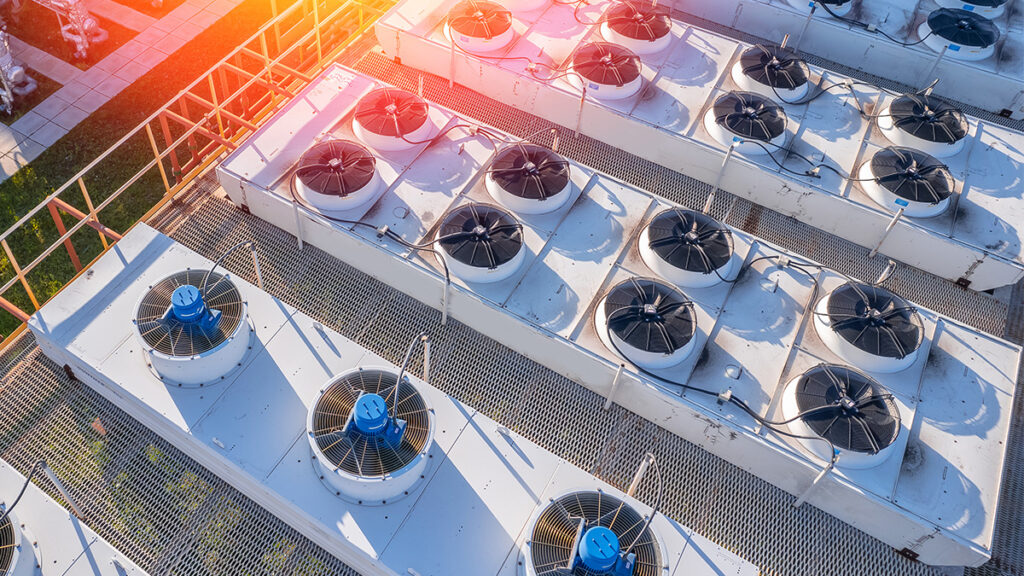
Water usage is a critical design consideration.
Thermal design addresses:
- Cooling tower water efficiency
- Blowdown optimization
- Water treatment integration
- Evaporation control
Efficient water management:
- Reduces operating cost
- Supports sustainability
- Enhances system longevity
Compliance with Standards and Authority Requirements
Thermal systems must meet regulatory standards.
Design compliance includes:
- International engineering standards
- Energy performance regulations
- Safety requirements
- Authority approval documentation
Early compliance planning prevents:
- Redesign
- Approval delays
- Operational restrictions
Consequences of Poor Thermal System Design
Inadequate design leads to serious consequences.
Common failures include:
- Excessive energy consumption
- Frequent equipment breakdowns
- Reduced system lifespan
- Operational downtime
- Financial losses
In data centers, thermal failure can mean total shutdown.
Thermal Design for Scalability and Future Expansion
Facilities evolve over time.
Proper thermal design allows:
- Modular system expansion
- Capacity upgrades
- Technology integration
- Minimal operational disruption
Scalability protects long-term investment value.
Role of Specialized Engineering Expertise
Thermal system design requires specialized knowledge.
Professional engineers provide:
- Accurate load modeling
- System optimization
- Technology selection expertise
- Lifecycle performance planning
Generic designs often fail under Saudi conditions.
Thermal Systems as Strategic Infrastructure
Thermal systems are not support utilities.
They are:
- Operational enablers
- Cost control mechanisms
- Sustainability drivers
- Reliability protectors
Design quality defines facility performance.
Conclusion – Design Determines Thermal Success
In Saudi Arabia’s industrial and data center projects, thermal system design is the single most important factor affecting performance and reliability.
Well-engineered thermal design delivers:
- Energy efficiency
- Operational stability
- Reduced risk
- Long-term cost savings
- Sustainable performance
Thermal success begins on the drawing board.
we are here
If your industrial or data center project requires reliable, energy-efficient thermal systems designed for Saudi Arabia’s extreme climate, expert thermal engineering is essential.
Contact RDC today to develop optimized thermal system designs that protect uptime, reduce energy costs, and future-proof your facility.
