


In Saudi Arabia’s mega projects, operational costs often exceed initial construction costs over the project’s lifecycle.
Among all building systems, thermal systems play the largest role in long-term energy consumption, maintenance expenses, and operational efficiency.
Advanced thermal systems are no longer just engineering upgrades—they are strategic cost-reduction tools.
Why Operational Costs Are a Major Concern in Mega Projects
Mega projects operate continuously and at large scale.
Key operational cost drivers include:
- High electricity consumption
- Continuous cooling demand
- Equipment wear and tear
- Maintenance and downtime costs
- Inefficient system performance
Thermal systems directly influence all these factors.
What Defines an Advanced Thermal System?
Advanced thermal systems go beyond basic cooling equipment.
They typically include:
- High-efficiency chillers
- Optimized cooling towers
- Intelligent heat exchangers
- Smart control and automation systems
- Integrated system design
- Energy optimization strategies
These systems are engineered for performance, not just capacity.
Energy Efficiency as the Primary Cost Reduction Factor
Energy consumption is the largest operational expense.
Advanced thermal systems reduce energy use through:
- High COP (Coefficient of Performance) equipment
- Variable speed drives for pumps and fans
- Optimized heat rejection design
- Efficient part-load operation
- Reduced compressor workload
Lower energy use translates directly into cost savings.
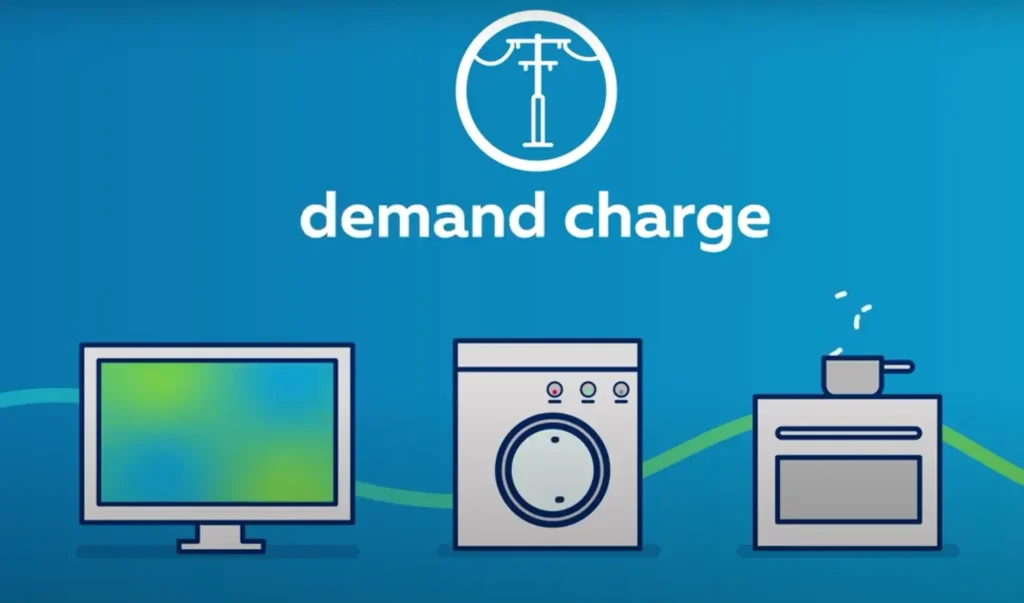
Reducing Peak Load and Demand Charges
Electricity tariffs often include peak demand charges.
Advanced systems help by:
- Smoothing load profiles
- Reducing peak power draw
- Optimizing system sequencing
- Managing demand during high-load periods
This results in:
- Lower electricity bills
- Improved grid interaction
- More predictable operating costs
Smart Control Systems Improve Operational Efficiency
Automation plays a major role in cost reduction.
Advanced controls provide:
- Real-time system monitoring
- Load-based performance adjustment
- Predictive optimization algorithms
- Fault detection and diagnostics
Smart controls:
- Eliminate energy waste
- Reduce manual intervention
- Improve system reliability
Optimized Integration Between Cooling Components
System integration multiplies efficiency gains.
Integrated thermal systems ensure:
- Cooling towers and chillers operate in harmony
- Stable condenser and chilled water temperatures
- Reduced equipment cycling
- Balanced system performance
Poor integration increases energy consumption and wear.
Lower Maintenance Costs Through Better Design
Maintenance costs are strongly linked to system stress.
Advanced thermal design:
- Reduces operating strain on equipment
- Extends component lifespan
- Minimizes unplanned breakdowns
- Simplifies maintenance access
Lower maintenance requirements mean:
- Reduced service expenses
- Fewer spare parts
- Higher system availability
Reliability and Downtime Cost Avoidance
Downtime in mega projects is extremely expensive.
Advanced thermal systems improve reliability by:
- Including redundancy and backup capacity
- Preventing overheating incidents
- Providing early warning alerts
- Supporting continuous operation
Avoiding downtime protects revenue and reputation.
Water Efficiency and Cost Savings
Water consumption is a hidden operational cost.
Advanced thermal systems optimize water use through:
- High-efficiency cooling tower design
- Optimized evaporation and blowdown control
- Integrated water treatment systems
- Reduced drift and losses
Water efficiency reduces:
- Utility costs
- Environmental impact
- Long-term operational risk
Part-Load Performance Drives Long-Term Savings
Most thermal systems operate below full capacity.
Advanced systems excel at:
- Maintaining high efficiency at part load
- Adjusting output to real-time demand
- Avoiding energy waste during low usage periods
Superior part-load performance delivers continuous savings.
Lifecycle Cost Optimization vs Initial Cost Focus
Initial cost is only a small part of total expense.
Advanced systems prioritize:
- Lower total cost of ownership
- Reduced energy and maintenance expenses
- Longer equipment lifespan
- Predictable operating budgets
Lifecycle-based decisions outperform low-capital-cost choices.
Supporting Sustainability and Vision 2030 Goals
Operational efficiency aligns with national priorities.
Advanced thermal systems contribute to:
- Reduced energy consumption
- Lower carbon emissions
- Sustainable infrastructure development
- Vision 2030 compliance
Sustainability improvements often reduce costs simultaneously.
Advanced Thermal Systems in Industrial Mega Projects
Industrial facilities benefit significantly from advanced systems.
Key advantages include:
- Stable process temperatures
- Improved production efficiency
- Lower energy intensity
- Reduced operational disruptions
Thermal performance directly affects output quality.
Advanced Thermal Systems in Commercial Mega Projects
Commercial developments require comfort and efficiency.
Advanced systems provide:
- Consistent indoor comfort
- Lower tenant operating costs
- Improved building performance ratings
- Higher asset attractiveness
Operational savings enhance property value.
Role of Professional Engineering and System Design
Advanced performance begins with expert design.
Professional engineers deliver:
- Accurate load analysis
- Optimized system configuration
- Technology selection based on lifecycle value
- Integrated performance planning
Generic designs fail to unlock cost savings.
Measurable ROI from Advanced Thermal Systems
Cost reduction is measurable and trackable.
Advanced systems deliver ROI through:
- Reduced energy bills
- Lower maintenance spending
- Fewer breakdowns
- Extended system lifespan
Savings accumulate year after year.
Conclusion – Operational Savings Start with Thermal Strategy
In Saudi Arabia’s mega projects, advanced thermal systems are among the most effective tools for reducing operational costs.
They deliver:
- Energy efficiency
- Reliability
- Lower maintenance
- Water savings
- Long-term financial stability
Thermal systems should be treated as strategic investments—not utilities.
we are here :
If your mega project requires lower operational costs, higher efficiency, and long-term performance, investing in advanced thermal systems is essential.
Contact RDC today to design and implement optimized thermal solutions that reduce operating expenses, enhance reliability, and deliver measurable savings throughout your project’s lifecycle.
